How Dedicated Outdoor Air Systems Improve Energy Efficiency in Commercial Buildings
Understanding Dedicated Outdoor Air Systems (DOAS)
What is a Dedicated Outdoor Air System?
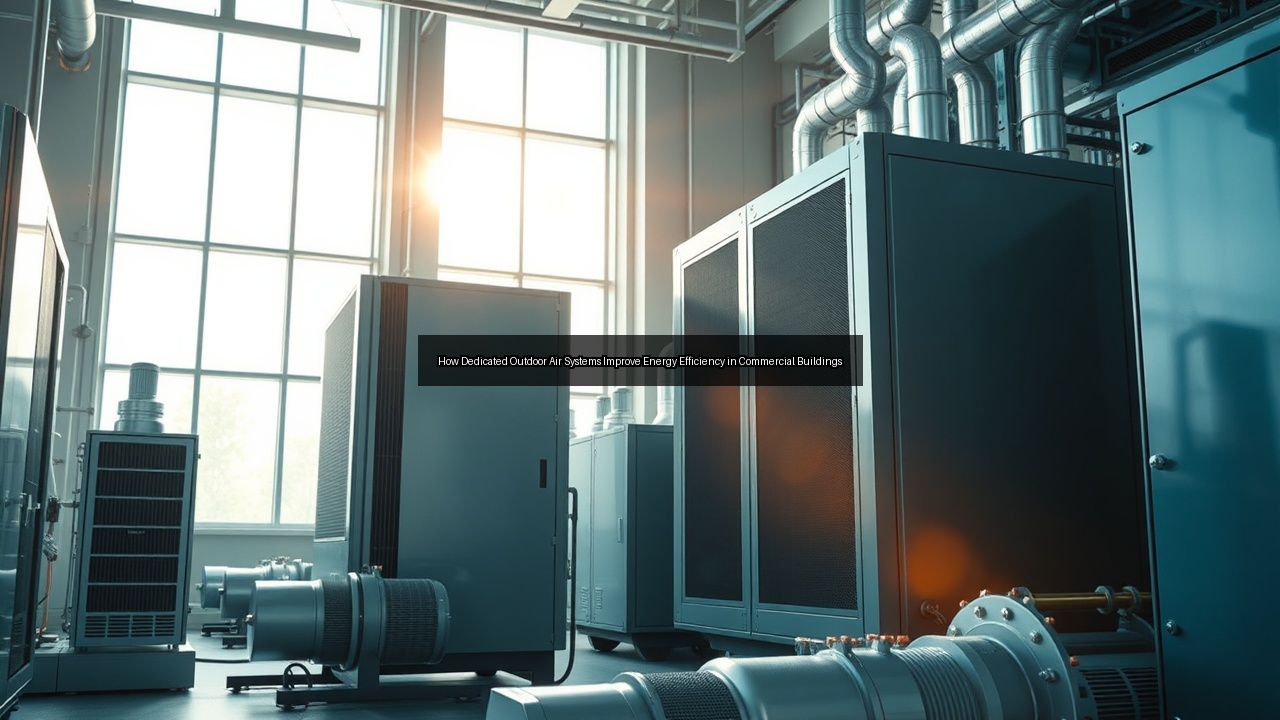
A dedicated outdoor air system separates the task of conditioning fresh outdoor air from the building's main air conditioning setup. This approach delivers precise ventilation while the primary HVAC handles internal loads like temperature and humidity from occupants and equipment. Companies install these systems to meet strict ventilation codes without overworking central units. The dedicated outdoor air system routes 100 percent outdoor air through its own coils, filters, and fans before supplying it to spaces. This separation prevents mixing issues that plague mixed-air systems and allows independent control of ventilation rates. Engineers specify DOAS units when projects demand high air quality alongside lower energy use. The design reduces the volume of air that central air conditioning must treat, which cuts fan energy and improves overall system performance in commercial buildings.
Key Components of DOAS
Every dedicated outdoor air system relies on several core components that work together for efficient operation. Enthalpy wheels or heat pipes recover energy from exhaust air before it leaves the building. Cooling coils dehumidify incoming outdoor air to precise levels. High-efficiency filters capture particulates, and variable-speed fans adjust airflow based on demand. Controls interface with building management systems to monitor carbon dioxide levels and adjust ventilation accordingly. Three phase power supplies the motors in larger units, providing stable and efficient operation. These elements combine to deliver conditioned outdoor air without burdening the main air conditioning network. Proper selection of each component ensures the system meets both ventilation requirements and energy goals in commercial applications.
The Role of Outdoor Air in Building Efficiency
Outdoor air plays a direct role in maintaining healthy indoor environments while influencing total energy consumption. A dedicated outdoor air system brings in fresh ventilation air that dilutes indoor pollutants and supports occupant comfort. By handling this load separately, the main air conditioning equipment focuses only on sensible cooling and heating tasks. This division lowers the total air volume moving through ductwork and reduces fan power draw. In commercial buildings with varying occupancy, the outdoor air system modulates flow rates to match actual needs instead of running at constant high volumes. The result appears in lower utility bills and extended equipment life for the central air conditioning plant. Effective use of outdoor air through DOAS units also supports compliance with energy codes that reward ventilation strategies.
Benefits of Dedicated Outdoor Air Systems
Enhanced Air Quality and Comfort
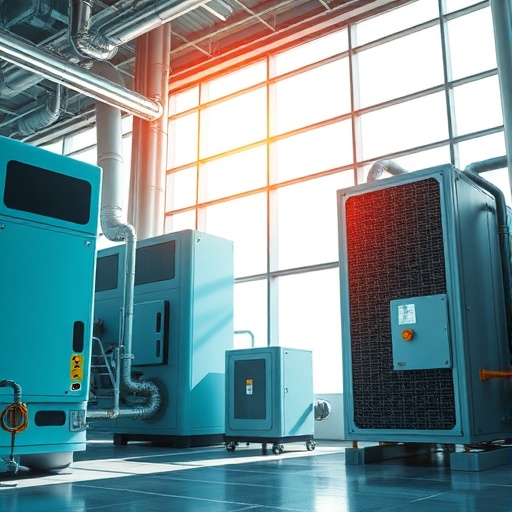
Dedicated outdoor air systems improve indoor air quality by delivering filtered, conditioned fresh air directly to occupied zones. Each unit removes moisture and contaminants before the air enters the space, which prevents mold growth and reduces odors. Occupants notice steadier temperatures and humidity levels because the system avoids the temperature swings common in mixed-air setups. In applications such as offices and schools, this consistency raises comfort scores and lowers complaints about stuffy conditions. The dedicated outdoor air system maintains positive building pressure when paired with proper exhaust, keeping unconditioned air from leaking indoors. Regular calibration of sensors ensures the system responds accurately to changes in carbon dioxide or humidity. These improvements translate into productive environments that support health and focus throughout the workday.
Energy Efficiency and Cost Savings
Energy efficiency gains come from decoupling ventilation from the main air conditioning load. A dedicated outdoor air system treats only the required outdoor air volume, which typically represents a fraction of total airflow. Energy recovery devices capture heat or cooling from exhaust streams and transfer it to incoming air, cutting the work required from coils. Lower fan speeds and reduced runtime on central equipment produce measurable drops in electricity use. Commercial building owners report lower operating costs because the system avoids the energy penalty of conditioning large quantities of return air. Three phase motors in DOAS units further improve efficiency at part-load conditions. Over time, these savings offset the initial investment and deliver ongoing reductions in utility expenses while maintaining code-required ventilation rates.
Reliability in Various Applications
Reliability stands out as a major advantage when dedicated outdoor air systems operate in demanding environments. The modular design isolates ventilation equipment from the primary air conditioning plant, so a single failure does not compromise the entire building. In oil and gas facilities, robust DOAS units withstand corrosive atmospheres and extreme temperatures without interrupting critical processes. Server rooms benefit from consistent outdoor air delivery that prevents overheating of rackmount equipment. Regular maintenance schedules and straightforward calibration procedures keep performance stable year after year. The systems integrate with existing controls through standard interfaces, allowing operators to monitor performance remotely. This dependability reduces downtime and supports continuous operation across commercial, industrial, and specialized applications.
Engineering and Design Considerations
Calibration and Maintenance of DOAS
Calibration ensures sensors and controls in a dedicated outdoor air system deliver accurate readings for temperature, humidity, and airflow. Technicians adjust carbon dioxide detectors and pressure transducers during commissioning and at regular intervals thereafter. Proper calibration prevents over-ventilation that wastes energy or under-ventilation that affects air quality. Maintenance routines include coil cleaning, filter replacement, and inspection of energy recovery wheels to sustain efficiency. A structured program catches small issues before they grow into costly repairs. Building operators schedule these tasks around occupancy patterns to minimize disruption. Consistent attention to calibration and maintenance preserves the energy savings and reliability that justify the installation of dedicated outdoor air systems in commercial settings.
Integration with Existing Air Conditioning Systems
Integration requires careful planning so the dedicated outdoor air system works in harmony with existing air conditioning infrastructure. Engineers size DOAS units to handle ventilation loads while the central plant manages internal gains. Supply air from the outdoor air system enters zones at neutral temperatures, allowing VAV boxes or fan coils to fine-tune local conditions. Control sequences coordinate operation through a common interface that prevents simultaneous heating and cooling. In retrofit projects, teams verify ductwork capacity and electrical service before installation. Successful integration avoids conflicts and unlocks the full efficiency potential of both systems. The result delivers code-compliant ventilation without increasing the load on aging air conditioning equipment.
Three Phase Power Requirements for DOAS
Three phase power supplies the motors and compressors in most commercial-scale dedicated outdoor air systems. This electrical configuration provides smoother operation and higher efficiency than single-phase alternatives, especially at larger capacities. Engineers calculate total connected load during design to confirm that switchgear and transformers can handle the additional demand. Variable frequency drives on three phase motors allow precise speed control that matches airflow to real-time ventilation needs. Proper wiring and grounding protect equipment and personnel while supporting reliable starts and stops. Facilities with existing three phase service integrate DOAS units more easily, though some projects require electrical upgrades. Attention to these requirements prevents operational issues and ensures the system achieves its intended energy performance.
Applications of Dedicated Outdoor Air Systems
Commercial Buildings: A Case Study
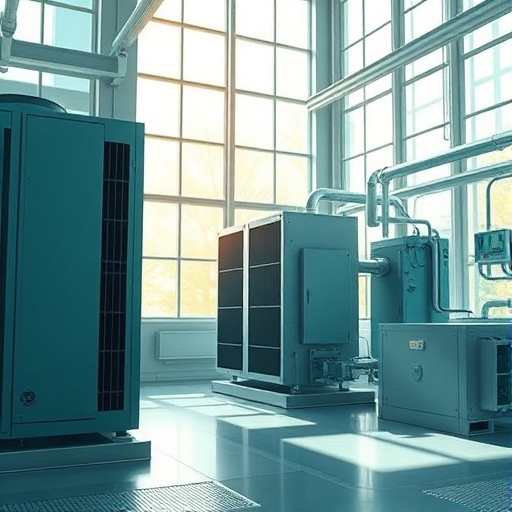
A mid-rise office building in a humid climate installed a dedicated outdoor air system to address high humidity complaints and rising energy bills. The previous air conditioning setup mixed outdoor and return air, forcing the coils to handle excessive latent loads. After commissioning the new outdoor air system, indoor humidity stabilized within the comfort range and chiller runtime dropped noticeably. Tenants reported fresher air and fewer temperature fluctuations. The company tracked utility data for twelve months and documented a 22 percent reduction in cooling energy. Calibration of the new controls occurred quarterly, and the maintenance team incorporated filter changes into existing routines. This application demonstrates how separating ventilation improves both comfort and operating costs in typical commercial structures.
Oil and Gas Industry Applications
Oil and gas facilities use dedicated outdoor air systems to supply clean, conditioned air to control rooms and process areas. These environments often contain hazardous vapors that require continuous dilution. The outdoor air system incorporates specialized filters and corrosion-resistant coils to maintain performance in harsh conditions. Three phase power ensures motors operate reliably during continuous duty cycles. Integration with gas detection systems allows automatic increases in ventilation when sensors trigger alarms. Energy recovery components lower the cost of conditioning large volumes of outdoor air in remote locations. The reliability of these systems supports uninterrupted operations and helps facilities meet safety and environmental regulations without excessive energy expenditure.
Server Rooms and Rackmount Solutions
Server rooms demand precise environmental control to protect sensitive electronics housed in rackmount enclosures. A dedicated outdoor air system delivers filtered air that removes heat and maintains low humidity levels. This approach prevents the formation of condensation that could damage servers. Engineers design the system to provide slight positive pressure, keeping dust from entering through gaps. Integration with the main air conditioning plant allows the DOAS unit to handle ventilation while CRAH units focus on sensible cooling. Carbon dioxide monitoring ensures adequate fresh air without overcooling the space. The result extends equipment life and reduces the risk of downtime caused by overheating or contamination in data center environments.
Future Trends in Outdoor Air Systems
Innovations in Energy Efficiency
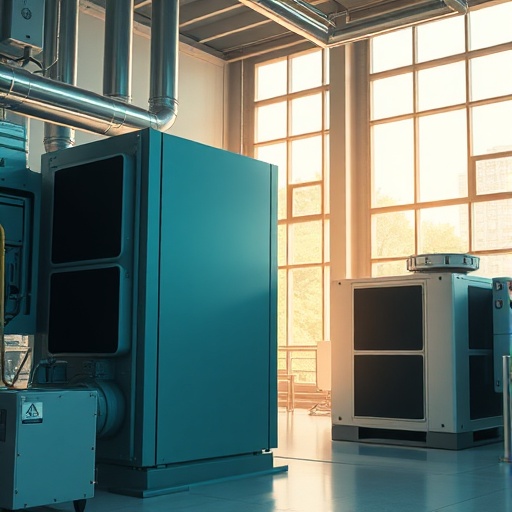
Manufacturers continue to advance dedicated outdoor air system designs with improved energy recovery technologies and smarter controls. New wheel coatings increase latent effectiveness, while advanced compressors adjust capacity in smaller increments. Machine learning algorithms analyze occupancy patterns and weather forecasts to optimize ventilation rates in real time. These innovations lower both first costs and operating expenses for commercial building owners. Three phase variable speed drives paired with high-efficiency motors further reduce electrical demand. As energy codes tighten, these developments position outdoor air systems as essential tools for meeting performance targets without sacrificing indoor air quality.
Impact of Carbon Dioxide Regulation
Emerging regulations on carbon dioxide emissions encourage wider adoption of efficient ventilation strategies. A dedicated outdoor air system reduces the energy required to condition fresh air, which indirectly lowers the carbon footprint of commercial buildings. Demand-controlled ventilation based on carbon dioxide sensors prevents unnecessary outdoor air intake during low-occupancy periods. Policymakers recognize these systems as part of broader strategies to cut building-related emissions. Companies that install DOAS units often qualify for incentives tied to energy performance. The focus on measurable carbon dioxide reductions drives continued refinement of controls and recovery devices that make these systems even more effective.
Ozone and Air Quality Considerations
Ozone generated by certain air cleaning devices can react with indoor pollutants to form secondary contaminants. Dedicated outdoor air systems address this concern by providing high-quality filtration and precise humidity control that limits ozone formation pathways. Engineers select components that minimize ozone production while still achieving effective air cleaning. Monitoring ozone levels alongside carbon dioxide and particulates gives operators a complete picture of indoor air quality. In regions with strict air quality rules, these systems help buildings stay compliant. The emphasis on ozone management reinforces the value of dedicated outdoor air delivery as part of comprehensive strategies that protect both occupants and the environment.
See Also
- Why Every Business Should Consider Investing in a Dedicated Outdoor Air System
- Innovative Applications of Dedicated Outdoor Air Systems in the Oil and Gas Industry
- Exploring the Interface Between Dedicated Outdoor Air Systems and Modern Air Conditioning
- Cost-Effective Solutions for Implementing Dedicated Outdoor Air Systems in Your Facility