Understanding Tolerances in Hydraulic Valve Machining for Optimal Function
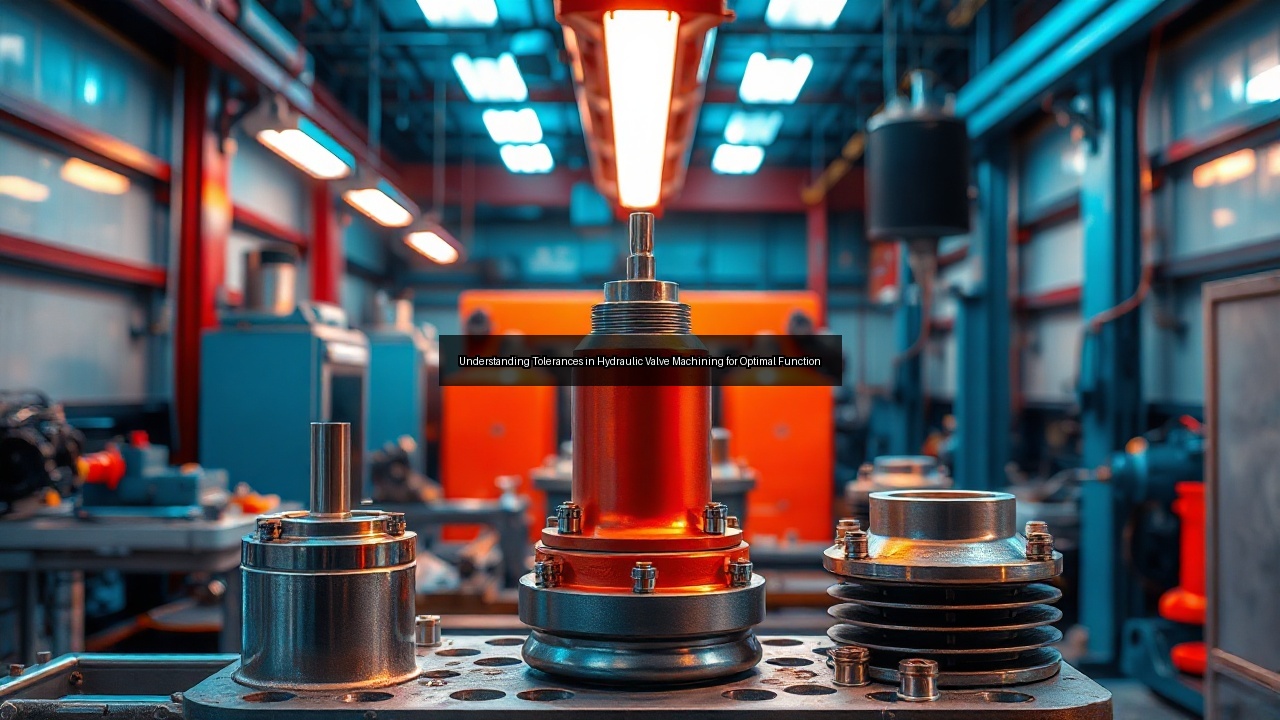
The Importance of Tolerances in Hydraulic Valve Machining
Defining Tolerances in Hydraulic Applications
Tolerances in hydraulic valve machining refer to the permissible limits of variation in a physical dimension. In hydraulic applications, precise tolerances are critical to ensure that components fit together correctly and function efficiently. These tolerances dictate how closely parts must conform to specified dimensions, affecting everything from flow rates to pressure management. For instance, even a slight deviation in the diameter of a valve spool can lead to significant performance issues, such as leaks or reduced pressure control. Achieving the right tolerances requires a thorough understanding of the materials used, the intended use of the valve, and the specific requirements of hydraulic systems.
Impact of Tolerances on Valve Functionality
The functionality of hydraulic valves hinges on the accuracy of tolerances. When tolerances are too loose, components may experience excessive wear, leading to premature failure. Conversely, overly tight tolerances can result in difficulty during assembly or operation, potentially causing jams or malfunctions. For example, in the automotive industry, hydraulic valves control crucial systems such as braking and steering. Any compromise in tolerance can endanger vehicle safety and performance. Therefore, maintaining precise tolerances not only ensures optimal functionality but also extends the lifespan of hydraulic components, reducing the need for frequent replacements and maintenance.
Common Tolerance Standards in the Industry
The hydraulic valve machining industry adheres to several tolerance standards to maintain consistency and quality across products. Standards such as ISO 2768 provide guidelines for linear dimensions, angular dimensions, and geometrical tolerances. These standards help manufacturers deliver components that are interchangeable and reliable. Additionally, organizations like the American National Standards Institute (ANSI) and the Society of Automotive Engineers (SAE) offer specifications that guide tolerances for hydraulic systems. By following these established standards, manufacturers can ensure their products meet industry expectations, thereby enhancing customer trust and satisfaction.
Key Considerations in Hydraulic Valve Machining Processes
Material Selection for Optimal Performance
Choosing the right material for hydraulic valve machining significantly impacts performance and durability. Common materials include various metals such as aluminum, brass, and stainless steel, each offering unique benefits. For instance, stainless steel provides excellent corrosion resistance, making it ideal for hydraulic systems exposed to harsh environments. On the other hand, aluminum is lightweight and can enhance the overall efficiency of hydraulic systems. The selected material must withstand the operational pressures and temperatures while minimizing wear over time. Proper material selection not only influences the valve's performance but also affects the machining processes used, including drilling and milling techniques.
Machining Techniques: Drilling and Milling
The machining process for hydraulic valves often involves drilling and milling, two critical techniques that shape and refine valve components. Drilling creates precise holes for fluid passage, while milling machines remove material to achieve desired shapes and dimensions. These processes require advanced machinery capable of maintaining tight tolerances. High-speed machining can enhance efficiency, allowing for faster production without compromising quality. Additionally, employing CNC (Computer Numerical Control) machines ensures that every cut is accurate, minimizing the risk of burrs that can interfere with the valve's functionality. Mastering these techniques is essential for producing high-quality hydraulic valves that meet stringent industry standards.
Managing Burrs and Surface Finish Quality
Burrs, or rough edges left over from machining processes, pose a significant challenge in hydraulic valve manufacturing. These imperfections can obstruct fluid flow and lead to inefficient valve operation. Effective management of burrs involves implementing proper finishing techniques, such as deburring and polishing, to ensure a smooth surface finish. A high-quality surface finish not only improves the aesthetic appeal of the valve but also enhances its functionality by reducing friction and wear during operation. Manufacturers must prioritize surface quality during the machining process to guarantee that the final product performs reliably within hydraulic systems.
Inspection and Testing for Precision in Hydraulic Valves
Functional Testing of Machined Valves
Functional testing verifies that machined hydraulic valves operate as intended under various conditions. This process simulates real-world applications, assessing factors such as pressure, flow rate, and response time. During testing, engineers evaluate the valve's performance for leaks or malfunctions, ensuring it meets the specific requirements of hydraulic systems. Rigorous functional testing not only identifies potential issues but also provides valuable insights into the valve’s design and machining processes. By conducting thorough tests, manufacturers can guarantee that their products will perform reliably and efficiently in demanding environments.
The Role of CAD in Design and Manufacturing
Computer-Aided Design (CAD) plays a pivotal role in the design and manufacturing of hydraulic valves. CAD software enables engineers to create precise 3D models, allowing for detailed visualization of components and assemblies. This digital representation helps in identifying potential design flaws before the machining process begins. CAD facilitates collaboration between design teams and manufacturers, streamlining communication and reducing errors. Additionally, CAD models can be easily modified and optimized, leading to improved designs that enhance valve performance. The integration of CAD technology into hydraulic valve machining processes significantly boosts accuracy and efficiency.
Inspection Techniques for Ensuring Accuracy
Inspection techniques are vital for ensuring the accuracy and quality of machined hydraulic valves. Various methods, including coordinate measuring machines (CMM) and laser scanning, provide precise measurements of critical dimensions. These technologies help detect deviations from specified tolerances, allowing manufacturers to address issues before production escalates. Regular inspections throughout the machining process foster a culture of quality assurance. By implementing robust inspection protocols, manufacturers can maintain high standards and ensure that every valve meets the performance criteria necessary for hydraulic applications.
From Prototype to Production: Ensuring Quality in Hydraulic Valve Manufacturing
The Role of Casting in Valve Production
Casting serves as a foundational method in hydraulic valve production, allowing for the creation of complex shapes and structures. This process involves pouring molten metal into molds, which solidify into the desired form. Casting provides excellent dimensional accuracy and can accommodate intricate designs that are difficult to achieve with traditional machining methods. By utilizing casting, manufacturers can produce valve bodies and components more efficiently, reducing material waste and production time. The choice of casting materials, such as ductile iron or aluminum alloys, influences the final product's durability and strength, essential for reliable hydraulic systems.
Manufacturing Structures: Manifolds and Spools
Manifolds and spools are critical structures in hydraulic valve systems, facilitating the flow of hydraulic fluid and controlling pressure. The manufacturing of these components requires precision machining to achieve the necessary tolerances. Manifolds serve as the central hub for fluid distribution, while spools control the on/off flow of hydraulic fluid. These structures must withstand high pressures without leaking or failing. Effective machining techniques, along with stringent quality control measures, ensure that these components perform reliably in various applications, from automotive systems to industrial machinery. Understanding the intricacies of manifold and spool design is essential for engineers and manufacturers alike.
Collaboration with Manufacturers for Efficient Processes
Collaboration between design engineers and manufacturers streamlines the hydraulic valve production process. Open communication fosters a shared understanding of project requirements, timelines, and quality standards. Engaging manufacturers early in the design phase allows for input on machining feasibility and material selection. This partnership can lead to innovative solutions that enhance valve functionality and manufacturing efficiency. By working closely with manufacturers, companies can optimize their production processes, reduce costs, and deliver high-quality valves that meet the evolving needs of the hydraulic industry.
See Also
- The Role of CAD in Revolutionizing Hydraulic Valve Machining Processes
- Mastering Hydraulic Valve Machining Techniques for Precision Engineering
- Eliminating Burrs in Hydraulic Valve Machining for Enhanced Performance
- Prototyping Hydraulic Valves for Efficient and Accurate Machining
- A Guide to Material Selection for High-Quality Hydraulic Valves